+31645609071 info@mandelasafariholidays.com KVK: 94252548  -  VZR GARANT: 134554

Uganda Safari Guide 2026:Cost, Parks & Best Time

Uganda Safari Guide 2026: Cost, Parks, Wildlife & Best Time

Planning your first Uganda safari and not sure where to start?

Uganda offers something that is difficult to find in one destination: classic African wildlife safaris combined with rainforest experiences, chimpanzee tracking and mountain gorilla trekking.

You can watch elephants crossing the savannah in the morning, cruise past hippos and crocodiles on the Nile in the afternoon, and a few days later walk through an ancient rainforest searching for chimpanzees or mountain gorillas.

That variety is what makes Uganda safari holidays so special.

Uganda is home to a range of national parks, each offering a different experience. Murchison Falls is known for its dramatic Nile scenery and savannah wildlife, Queen Elizabeth for its diverse landscapes and tree-climbing lions, Kibale for chimpanzee tracking, while Bwindi and Mgahinga offer some of Africa’s most memorable gorilla trekking experiences. Uganda Wildlife Authority officially manages the country’s protected areas and wildlife tourism activities.

If you are considering a safari in Uganda, this guide will help you understand where to go, what to see, when to visit, how much a safari can cost and how to choose the right itinerary.

Why Choose a Uganda Safari?

Uganda is sometimes overlooked in favour of Kenya and Tanzania, but it offers a very different type of safari experience.

A Uganda safari can combine:

  • Traditional game drives
  • Boat safaris
  • Gorilla trekking
  • Chimpanzee tracking
  • Forest walks
  • Birdwatching
  • Cultural experiences
  • Scenic landscapes
  • Remote wilderness adventures

For travellers who want to combine wildlife with primate experiences, Uganda is particularly attractive.

You don’t have to choose between a traditional safari and a rainforest adventure. With the right itinerary, you can experience both.

The Best National Parks for a Uganda Safari

Choosing the right national parks is one of the most important parts of planning your trip.

You do not necessarily need to visit every park. The best itinerary depends on what you want to see and how much time you have.

Murchison Falls National Park

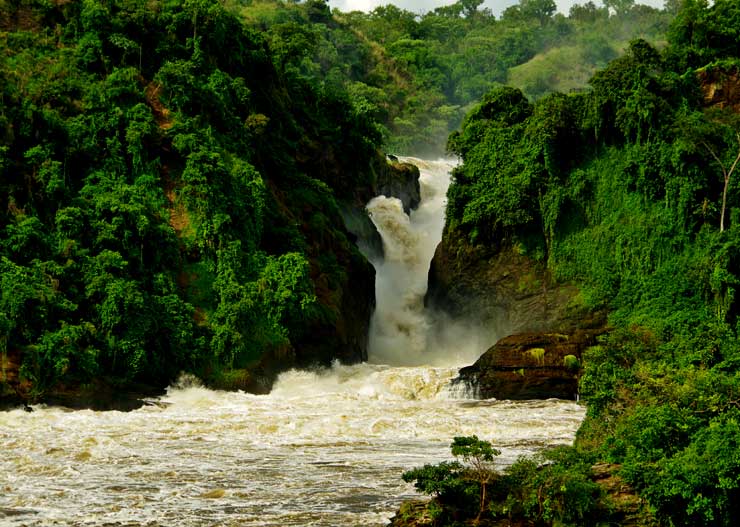
The Murchison Falls in Uganda

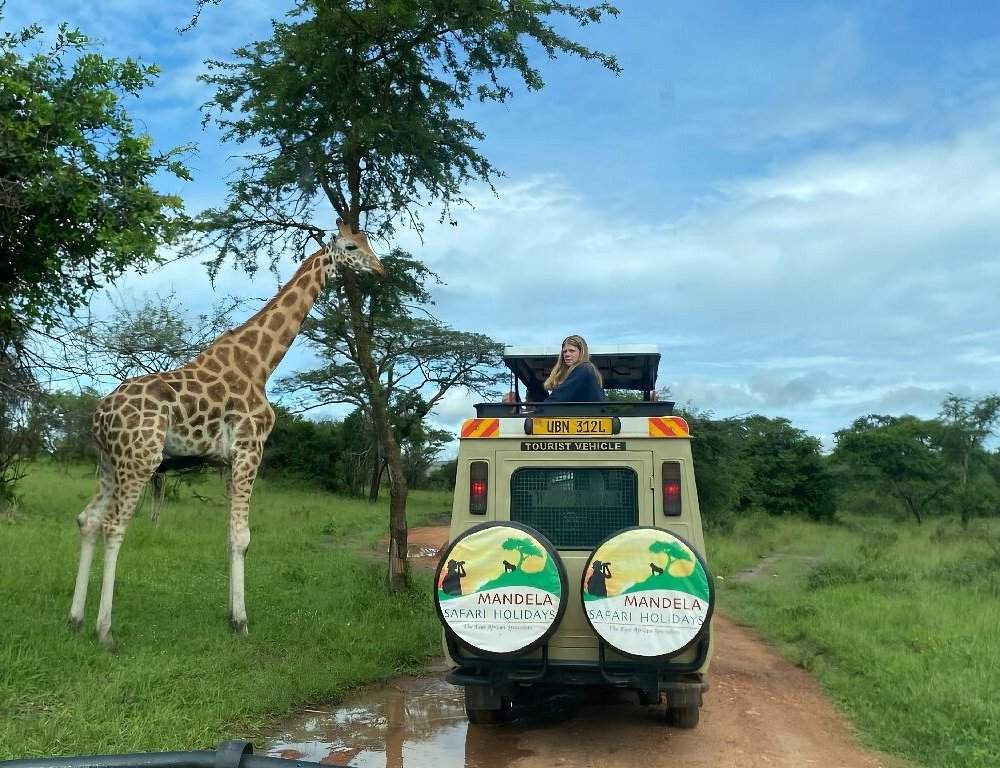
Murchison Falls is Uganda’s largest national park and one of the country’s classic Uganda safari destinations.

The park is named after the spectacular Murchison Falls, where the Nile is forced through a narrow gorge before continuing towards Lake Albert.

A typical safari here combines game drives with a boat cruise on the Nile.

You may encounter elephants, buffaloes, giraffes, lions, hippos, crocodiles and numerous bird species.

The Nile boat cruise is particularly special because it allows you to see wildlife from a completely different perspective.


Queen Elizabeth National Park

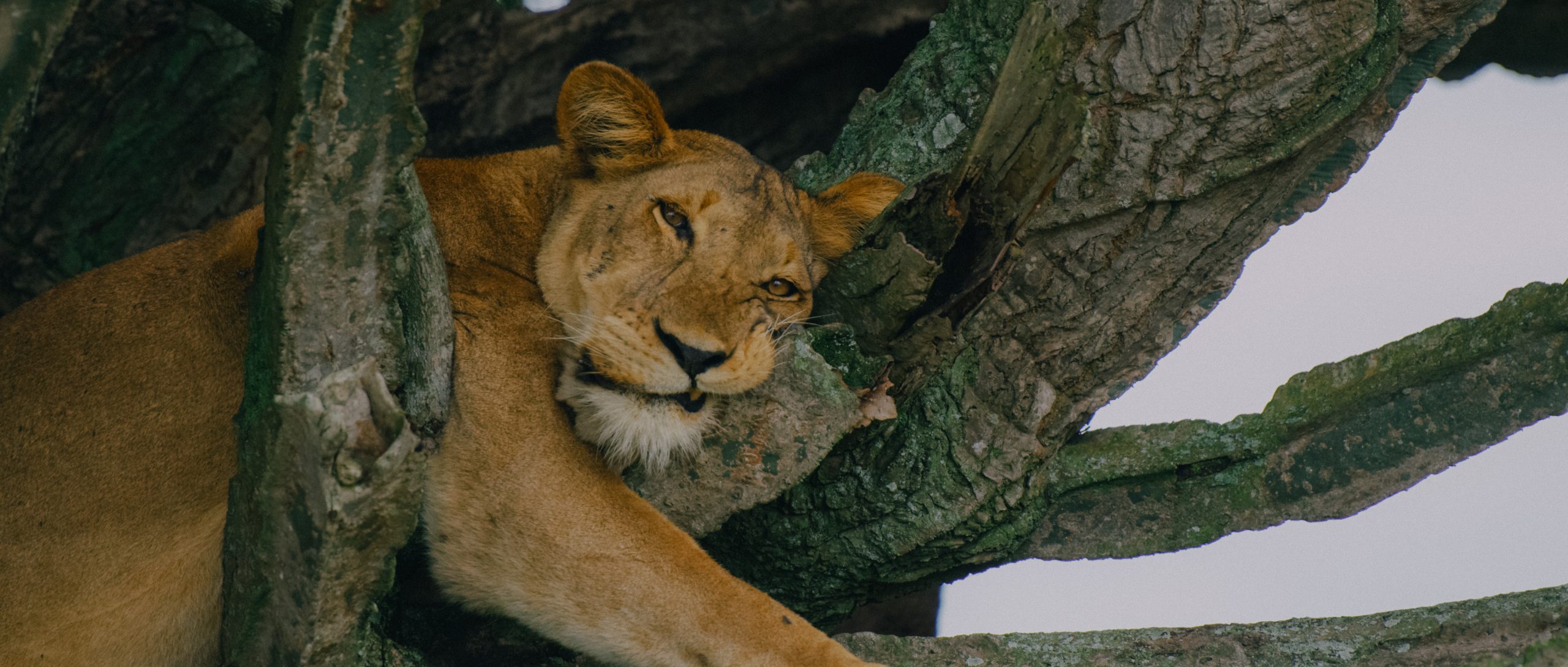
Tree Climbing Lion
Tree Climbing lion of ishasha

Queen Elizabeth National Park is one of the most diverse destinations for a Uganda wildlife safari.

The park contains savannah, wetlands, forests, crater lakes and the famous Kazinga Channel.

Game drives can produce sightings of elephants, buffaloes, lions, antelopes and other wildlife, while a boat cruise along the Kazinga Channel provides excellent opportunities to see hippos and other animals gathered around the water.

The Ishasha sector in the southern part of the park is also famous for its tree-climbing lions.For travellers who want a mixture of wildlife, scenery and boat-based experiences, Queen Elizabeth is an excellent choice.

Kibale Forest National Park

Kibale Forest is the destination to consider if chimpanzees and primates are high on your list.

The park is particularly famous for chimpanzee tracking in Uganda, taking visitors into the forest to search for habituated chimpanzee communities.

The experience is completely different from a game drive. Instead of sitting in a safari vehicle, you walk through the forest with experienced guides and trackers, following signs and sounds as you search for the chimpanzees.

Uganda Wildlife Authority lists chimpanzee tracking among the key activities available in Kibale.

Bwindi Impenetrable National Park


For many visitors, Bwindi is the highlight of their Uganda safari holiday.

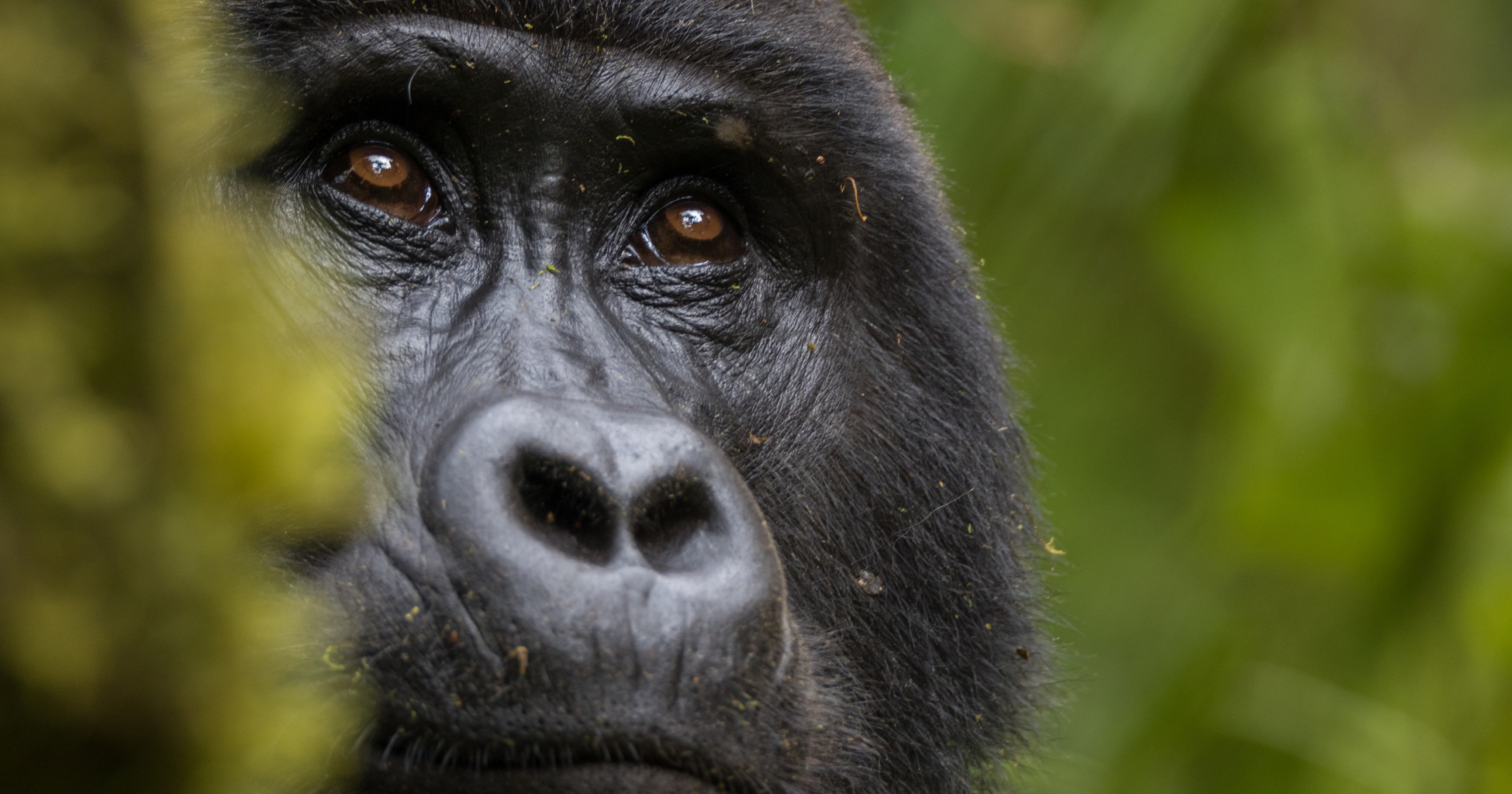
The ancient rainforest is home to mountain gorillas, and trekking through the forest in search of a habituated gorilla family is one of the most extraordinary wildlife experiences in Africa.

Gorilla trekking in Uganda takes place in Bwindi Impenetrable National Park and Mgahinga Gorilla National Park.

The trek can be physically demanding because of the steep and sometimes muddy forest terrain, so travellers should be prepared for several hours of walking.

But when you finally come face-to-face with a gorilla family, the effort becomes part of the experience.

Mgahinga Gorilla National Park

Mgahinga is Uganda’s other destination for mountain gorilla trekking.

The park forms part of the larger Virunga conservation landscape and is characterised by beautiful volcanic scenery.

It can be an excellent option for travellers looking for a quieter gorilla trekking experience, depending on permit availability and the location of the gorilla family.

Kidepo Valley National Park


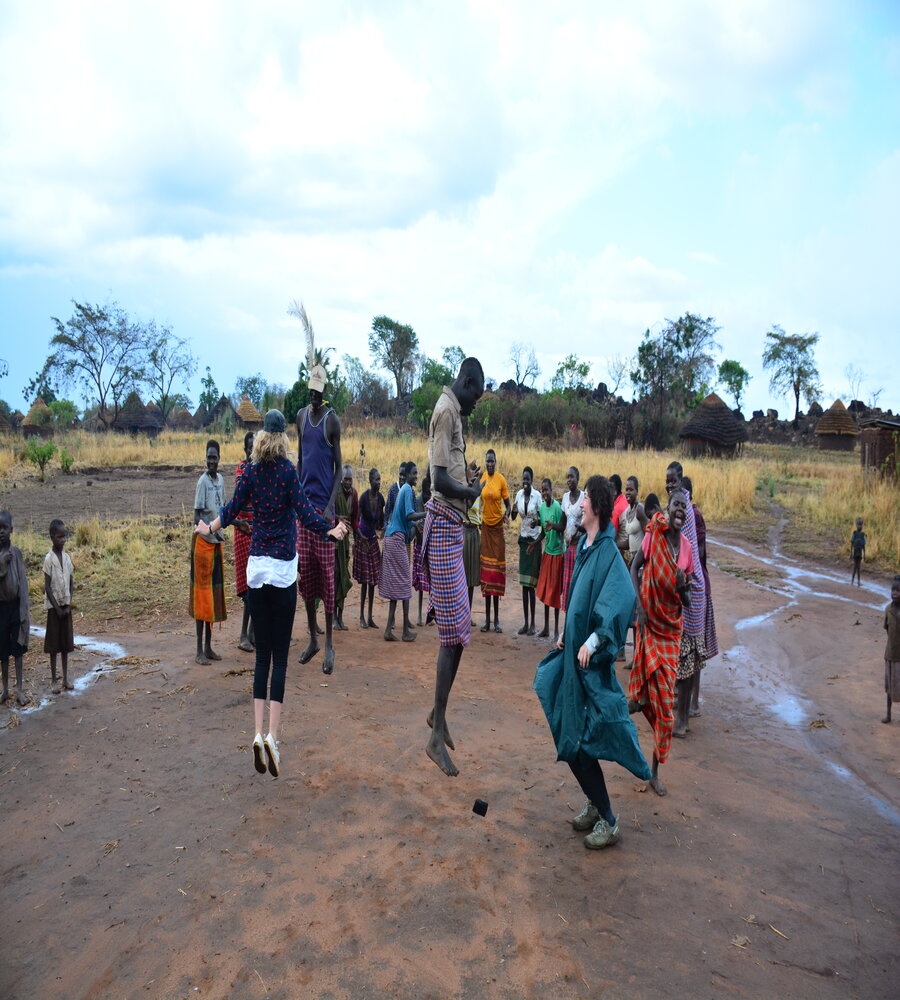
Karimajong Cultural Dance


If your priority is wilderness and remote landscapes, Kidepo Valley deserves serious consideration.

Located in northeastern Uganda, Kidepo offers wide open savannah landscapes, rugged mountains and a feeling of remoteness that is difficult to replicate on the more popular safari routes.

Because of its location, Kidepo is generally better suited to travellers with more time.


Lake Mburo National Park


Lake Mburo is a smaller park but can be a useful addition to a southern Uganda itinerary.

It is known for wildlife including zebras, impalas, buffaloes and hippos, as well as beautiful landscapes.

Its location can also make it a convenient stop between Entebbe and southwestern Uganda.


What Wildlife Can You See on a Uganda Safari?

One of the most exciting things about planning a Uganda safari tour is that every game drive is different.

Depending on the parks you visit, you may encounter:

  • Elephants
  • Lions
  • Leopards
  • Buffaloes
  • Giraffes
  • Zebras
  • Hippos
  • Antelopes
  • Chimpanzees
  • Mountain gorillas
  • Numerous bird species

Uganda also offers some unusual wildlife experiences, including the opportunity to look for tree-climbing lions in the Ishasha sector of Queen Elizabeth National Park.

If seeing the traditional Big Five is important to you, your itinerary should be planned accordingly rather than assuming every Ugandan national park offers the same sightings.

Gorilla Trekking in Uganda

Gorilla trekking is one of the main reasons travellers choose Uganda.

The experience begins with a briefing before you enter the forest with trained guides and trackers.

Once the gorilla family is located, visitors are allowed a regulated period observing the animals in their natural environment.

Gorilla trekking permits are issued through Uganda Wildlife Authority, and the current 2026 foreign non-resident permit price is US$800 per person, with a discounted low-season rate of US$600 in April, May and November according to current 2026 information.

Because permits are limited, travellers should plan their gorilla trekking safari well in advance, particularly for popular travel periods.

Chimpanzee Tracking in Uganda

If gorillas are not the only primates you want to see, also consider adding chimpanzee tracking to your itinerary.

Kibale Forest is one of Uganda’s leading chimpanzee destinations.

Walking through the forest in search of chimpanzees gives you a completely different experience from a traditional wildlife safari.

You are surrounded by dense vegetation, bird calls and the sounds of the forest while your guide and trackers look for the chimpanzee community.

For many travellers, combining chimpanzee trekking and gorilla trekking in Uganda creates an especially memorable primate-focused safari.

What Is the Best Time for a Uganda Safari?

Uganda can be visited throughout the year, but some months are more convenient depending on your priorities.

The main dry seasons are generally:

June to September

and

December to February

These periods typically offer better road and trail conditions and are popular for both wildlife safaris and gorilla trekking.

The wetter months can still be rewarding.

April, May and November are particularly interesting for travellers looking for lower-season travel opportunities, and 2026 discounted gorilla permits are available during April, May and November for eligible foreign non-residents.

So, when should you visit Uganda?

If you want generally drier conditions and easier trekking, consider the dry seasons.

If your priority is a quieter trip and potentially lower costs, the low season can be worth considering.

There is no single “perfect” month for every traveller. Your budget, activities and preferred travel experience should determine when you go.

How Much Does a Uganda Safari Cost?

There is no fixed price for a Uganda safari because the total cost depends on the style and length of your trip.

Some of the main factors are:

  • Number of safari days
  • Number of travellers
  • Accommodation standard
  • Safari vehicle
  • Private or shared travel
  • Gorilla or chimpanzee permits
  • Park fees
  • Activities
  • Domestic flights
  • Travel season

A budget safari using simpler accommodation can be significantly cheaper than a luxury safari staying at high-end lodges.

Gorilla trekking can also have a major impact on the total price because the permit is a substantial part of the cost.

Current 2026 safari guides show a wide range of prices, from shorter wildlife trips to extended multi-park and gorilla itineraries. This is why a personalised quotation is more useful than relying on one advertised “Uganda safari price.”

How to make a Uganda safari more affordable

If you have a limited budget, you don’t necessarily have to remove Uganda from your travel plans.

Instead, consider:

  • Choosing comfortable mid-range or budget lodges
  • Travelling during lower-demand periods
  • Reducing the number of destinations
  • Spending more nights in fewer parks
  • Prioritising the experiences that matter most to you

A well-planned shorter safari can be much more enjoyable than trying to fit too many destinations into a tight schedule.

How Many Days Do You Need for a Uganda Safari?

The ideal length depends on what you want to experience.

3–5 days

Suitable for a focused wildlife or gorilla experience.

7–10 days

A good option for combining several destinations and experiences.

12–14 days

Ideal for travellers who want a more comprehensive Uganda safari covering wildlife and primates without rushing between destinations.

15 days or more

Suitable for travellers who want to explore Uganda more deeply or combine Uganda with another East African destination.

Rather than asking how many days you should spend, think about what you want to see.

For example, a traveller interested mainly in gorillas may need a very different itinerary from someone who wants Murchison Falls, Queen Elizabeth, Kibale and alsoBwindi.

Example Uganda Safari Itinerary

Day 1: Arrival in Entebbe

Day 2–3: Murchison Falls National Park

Day 4–5: Kibale Forest – chimpanzee tracking

Day 6–7: Queen Elizabeth National Park

Day 8–10: Bwindi – gorilla trekking

Day 11: Lake Mburo National Park

Day 12: Return to Entebbe

This is only an example.

The best Uganda safari itinerary should be customised according to your arrival and departure dates, interests, accommodation preferences and budget.

What Should You Pack for a Uganda Safari?

Packing for a safari does not have to be complicated.

Some useful essentials include:

  • Lightweight, comfortable clothing
  • Long trousers and shirts for trekking
  • Comfortable walking or hiking shoes
  • Waterproof jacket
  • Warm layer for cool mornings
  • Hat
  • Sunglasses
  • Sunscreen
  • Insect repellent
  • Camera
  • Extra batteries or power bank
  • Small day backpack
  • Reusable water bottle

If you are going gorilla or chimpanzee trekking, good footwear and rain protection are especially important.

Forest conditions can change quickly, even during the dry season.

Uganda Safari or Kenya Safari: Which Should You Choose?

Both destinations offer outstanding safari experiences, but they are not identical.

Kenya is famous for destinations such as the Maasai Mara and its large savannah landscapes and is particularly well known for the Great Migration.

Uganda offers a broader combination of experiences, including traditional wildlife safaris, chimpanzee tracking and mountain gorilla trekking.

If your dream is to combine wildlife and gorilla trekking, Uganda is an obvious destination to consider.

And you do not necessarily have to choose just one country.

Uganda can be combined with Kenya, Tanzania or Rwanda for a longer East African

Why Choose Mandela Safari Holidays for Your Uganda Safari?

Planning a safari is about much more than selecting national parks from a map.

The order of destinations, driving times, accommodation locations, park activities and permits all need to work together.

At Mandela Safari Holidays, we specialise in tailor-made East African safari holidays and help travellers create journeys around their interests, available time and budget.

Whether you are looking for:

  • A Uganda wildlife safari
  • Gorilla trekking in Uganda
  • A chimpanzee trekking experience
  • A family safari
  • A honeymoon safari
  • A budget safari
  • A luxury safari
  • Uganda and Kenya
  • Uganda, Rwanda and Kenya
  • A longer East African adventure

we can help you create an itinerary that fits your travel style.

Our approach is simple: your safari should be designed around you, not around a standard itinerary.

Frequently Asked Questions About Uganda Safaris

Is Uganda good for a safari?

Yes. Uganda offers traditional wildlife safaris alongside unique primate experiences such as gorilla trekking and chimpanzee tracking. Its different ecosystems allow travellers to combine savannah, rainforest and also cultural experiences in one trip.

How much does a Uganda safari cost?

The cost depends on the number of days, accommodation, activities, number of travellers and whether gorilla or chimpanzee permits are included. A tailor-made quotation is the best way to determine the actual cost for your trip.

What is the best time to visit Uganda for a safari?

June to September and December to February are generally the most popular dry-season periods. However, Uganda can be visited throughout the year, and the wetter months can offer fewer crowds and lower-season opportunities.

How many days do I need for a Uganda safari?

A short safari can focus on one region, while 7–14 days gives you more opportunity to combine wildlife and primate experiences. Longer trips allow you to explore more remote destinations such as Kidepo Valley.

Where can I go gorilla trekking in Uganda?

Mountain gorilla trekking takes place in Bwindi Impenetrable National Park and Mgahinga Gorilla National Park.

Where is the best place for chimpanzee trekking in Uganda?

Kibale Forest National Park is Uganda’s leading destination for chimpanzee tracking.

Can I combine Uganda with Kenya or Tanzania?

Yes. Uganda can be combined with Kenya, Tanzania or Rwanda to create a longer East African safari.

Ready to Plan Your Uganda Safari?

A Uganda safari can be as adventurous, relaxed, luxurious or budget-conscious as you want it to be.

From the open savannahs of Murchison Falls and Queen Elizabeth to the forests of Kibale and Bwindi, Uganda offers an incredible variety of landscapes and wildlife experiences.

The key is choosing an itinerary that matches your time, budget and interests.

Ready to experience Uganda?

Contact Mandela Safari Holidays and let us create a tailor-made Uganda safari designed around you.

Your adventure in the Pearl of Africa starts here!


Translate »